
A masterpiece of balance in the world of Italian pizzas
If we consider Italy the home of flavors, tradition, and gastronomic diversity, then in the universe of pizzas the question also arises: which style comes closest to perfection? Although in many parts of the world the Pizza Napoletana (Neapolitan pizza) is the most well-known, Italians themselves do not deny that the Roman pizza is at least just as significant and unique. Pizza Romana, that is, Roman pizza.
But why do many consider Roman pizza the “better” choice, and what does this concept really mean? Let’s dive into the world of “pizza romana”!
What is Pizza Romana?
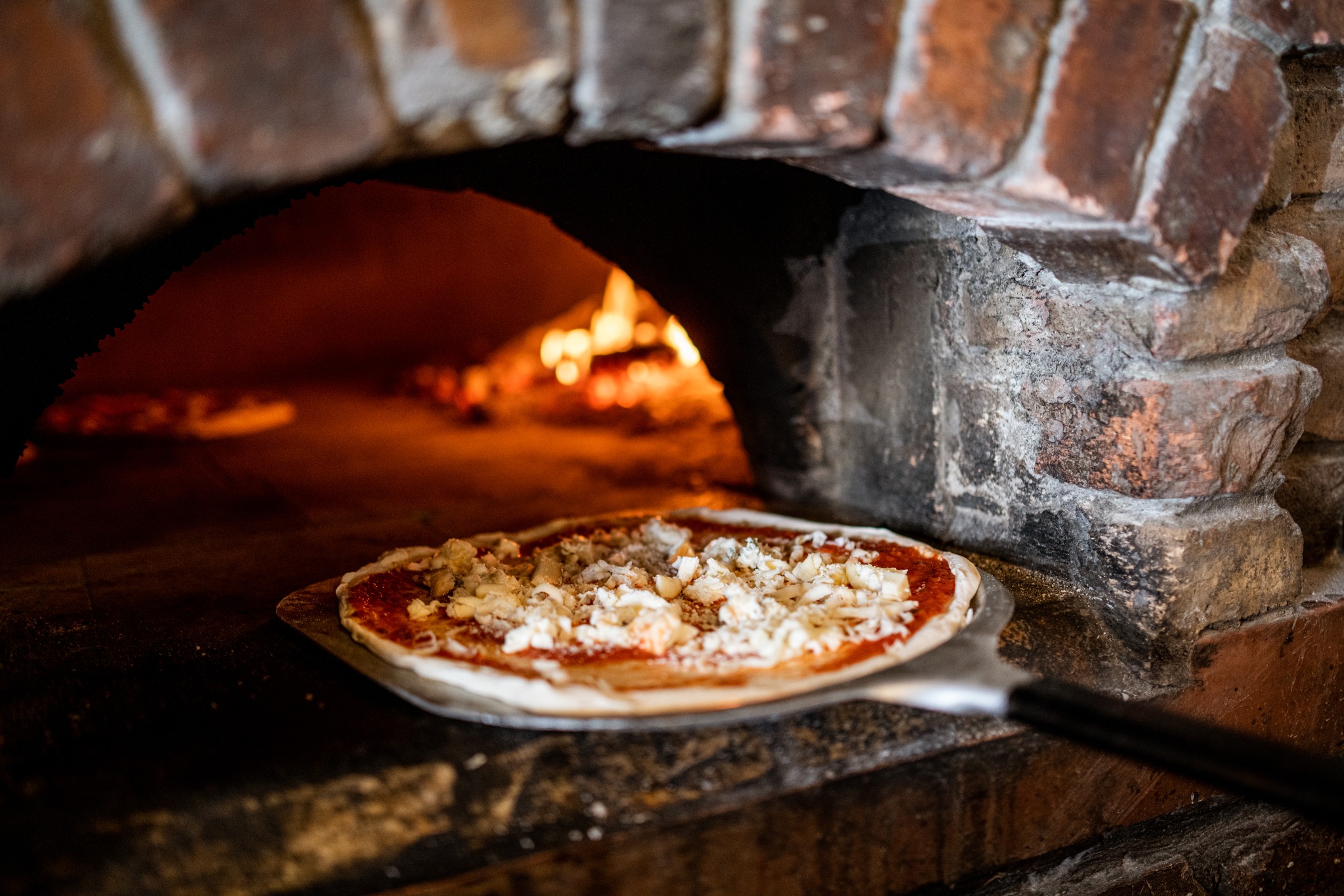
“Pizza romana” — or Roman pizza — is a distinctive and iconic dish from Rome and its surrounding regions. Over the decades, family recipes, local bakeries, trattorias, and street pizzerias have shaped a style that confidently sets itself apart from Neapolitan tradition. Its defining feature is a thin, crispy, almost parchment-like crust that is both sturdy and delicately light. Roman pizza is most often baked in a round shape, in a wood-fired oven at high temperatures, with minimal toppings but outstanding quality ingredients.
Dough: Thin, crispy base
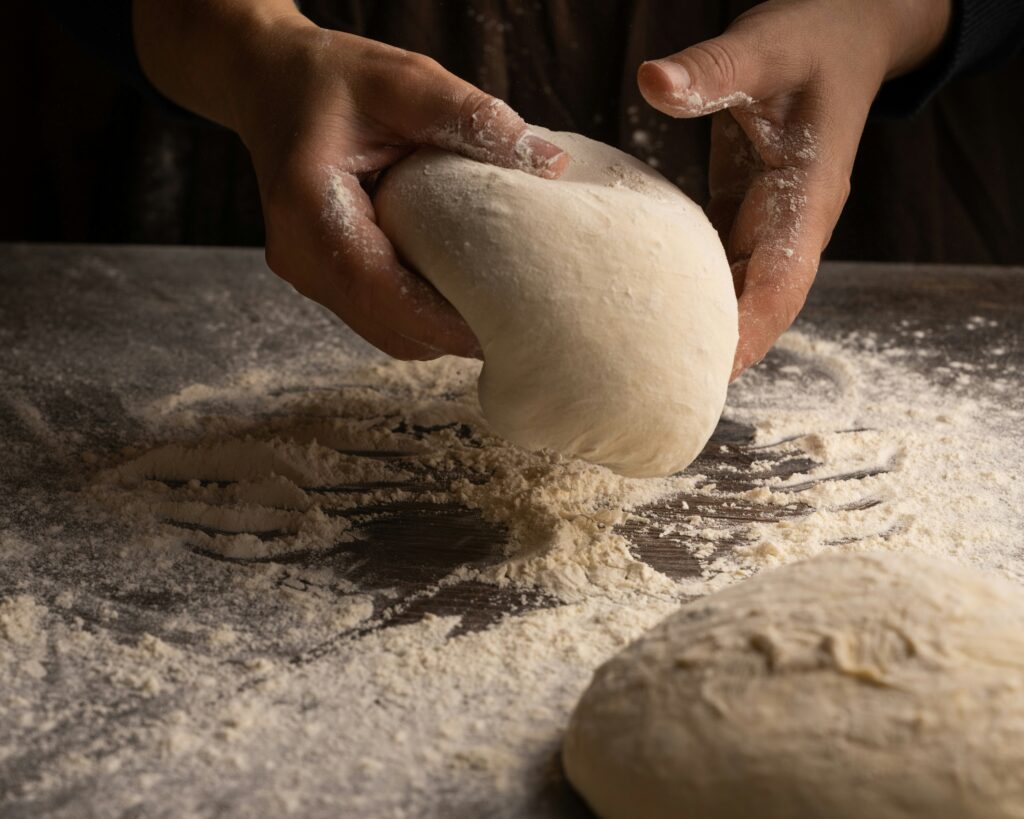
One of the secrets of pizza romana dough is its long fermentation and higher hydration, which result in a light yet crispy base. For Roman pizza, the proofing time can reach 24–48 hours; the dough—made from flour, water, salt, and a small amount of yeast—is left to mature slowly in a cool environment. The stretched dough is thin yet sturdy, just firm enough to be easily sliced and eaten by hand after baking, without the center becoming soggy or overly soft.
Baking technique: The secret to even baking
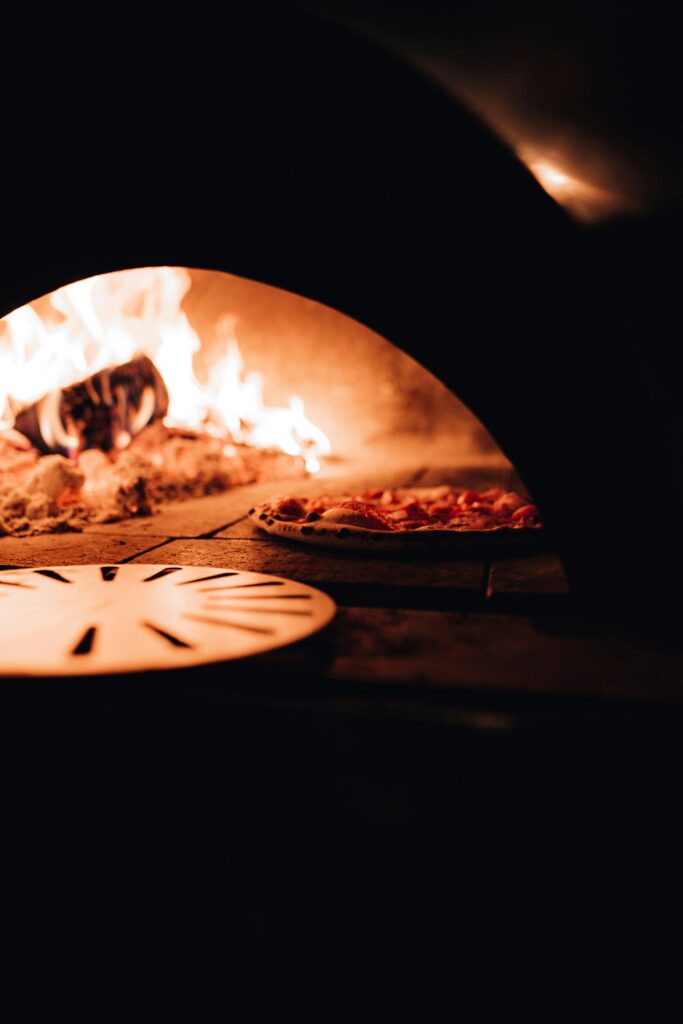
Roman pizza is baked in a hard, preheated wood-fired oven, typically at 300–350°C, in just 2–3 minutes. One of the greatest advantages of “pizza romana” (also highlighted by the chefs at Trattoria Toscana) is that the dough bakes evenly across the entire surface. In contrast, with Neapolitan pizza it often happens that the edges become overly charred—almost burnt—while the center remains wet and runny, especially if it’s not prepared perfectly. With Roman pizza, however, the crispy edge and the well-baked interior come together in perfect harmony.
Pizza Romana vs Pizza Napoletana – What’s the difference?
The two most popular styles of Italian pizza are Neapolitan and Roman. Both have a rich tradition, but they offer a completely different experience.
Here are the key differences:
Dough
Neapolitan: Thicker, softer, with a characteristic “puffy” crust (cornicione). The center can be soft and slightly moist, distinctly elastic, and often flexible.
Roman: Thin and very crispy, almost “snaps” when bent. The crust is lower, without that large “puffy edge.”
.
Baking time and technique
Neapolitan: In an extremely hot oven (almost 500°C or more), baked in 60–90 seconds, which often makes it difficult to achieve the perfect texture (the center is often runny while the edges brown quickly).
Roman: At 300–350°C for 2–3 minutes, which ensures more even baking. There’s no raw or overly soft center—every bite delivers the same experience.
Toppings and flavors
Neapolitan: Few but premium-quality toppings, for example in a Margherita: San Marzano tomatoes, buffalo mozzarella, and fresh basil.
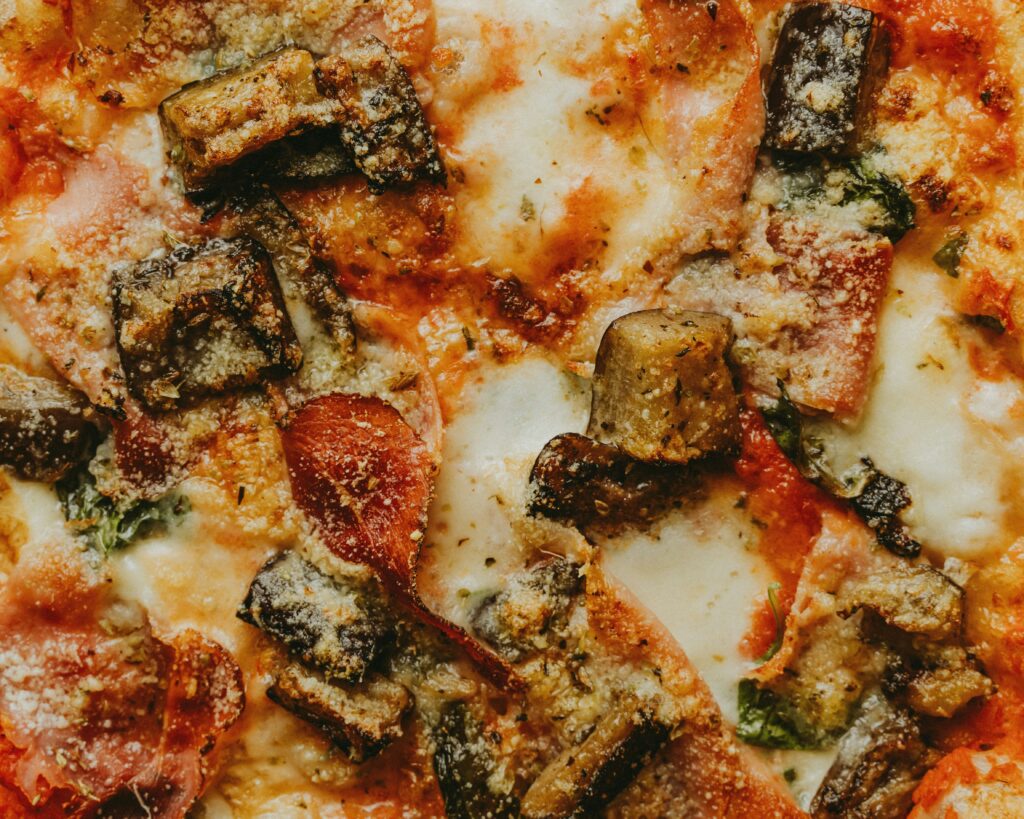
Roman: Also simple, but slightly bolder combinations are common (e.g. anchovies, ham, artichokes, or even pistachio cream). Thanks to the crispy base, the toppings don’t make the dough soggy.
Serving suggestion
Neapolitan: As a main dish, served on a plate, eaten even with a fork and knife.
Roman: Fits perfectly in your hand, can even be eaten while walking. A true “street food,” yet still elegant.
Why is Pizza Romana better?
Some say there is no such thing as a “better” or “worse” pizza—just different styles. Still, many experts, including the team at Trattoria Toscana, highlight the advantages of Roman pizza:
- Consistent flavor experience: Roman pizza offers the same crispy, perfectly baked base in every bite. No surprises—there are no undercooked or overbaked parts.
- Crispy, yet light: Ideal for those who prefer a pizza base that isn’t soggy. The airy, well-baked dough allows the lighter amount of toppings to stand out clearly.
- Quick, yet perfect: There’s no need for lengthy baking procedures. The essence of the technique is achieving the highest quality in minimal time.
- Practical: Rediscover the joy of pizza—whether you’re enjoying it on a walk or alongside a chat with friends, you won’t be disappointed!
Interesting facts and tips
- Roman pizza is often found in the “pizza al taglio” style (“pizza by the slice”), which is baked in large trays and then cut into portions for serving.
- For a truly authentic Roman pizza, it’s worth using olive oil as a final “brush” both before and after baking.
- In authentic pizza romana dough, the salt content can reach as much as 2.5–3%, which gives the flavors a distinctly bold character.
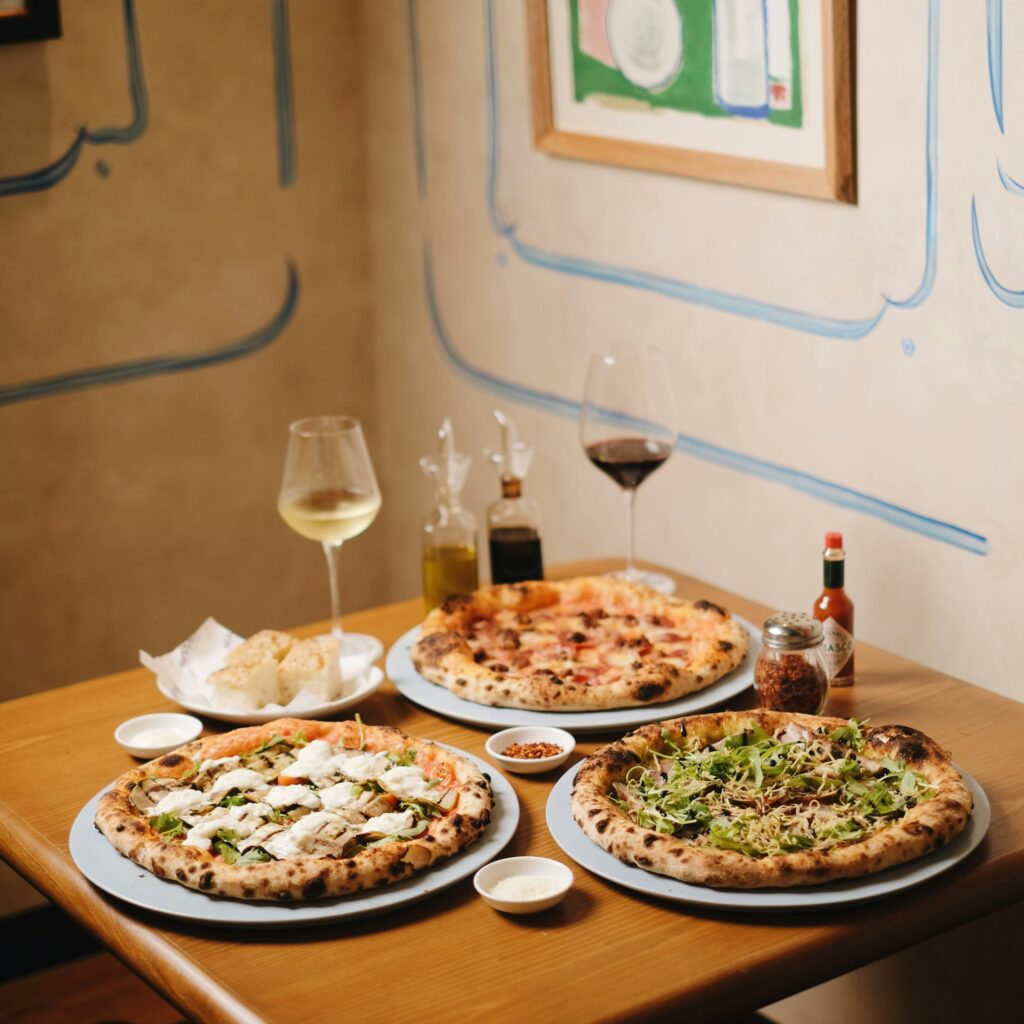
Traditional Roman pizza recipe
Ingredients (for 2 large round pizzas):
- 350 g pizza flour (type 00)
- 220 ml water
- 8 g salt
- 3 g fresh yeast (or 1 g dried yeast)
- 1 tablespoon extra virgin olive oil
Preparation:
Dissolve the yeast in lukewarm water, then add it to the flour. Begin kneading by hand or with a mixer. Add the salt, then the olive oil. Knead thoroughly until you get a soft, slightly sticky dough. Cover and let it rest in the fridge for at least 24 hours. After proofing, stretch the dough thin and transfer it onto baking paper. Spread it with tomato sauce, then add mozzarella and your chosen toppings (e.g. ham, anchovies, artichokes). Bake in a preheated oven or pizza oven at 300°C for 2–3 minutes until crispy.
Tip: The secret to a thin, crispy crust lies in high heat and proper fermentation—both are essential to authentic “pizza romana” style.
Discover the most authentic Roman pizzas on the menu of Trattoria Toscana, and experience a perfectly balanced Italian flavor in every bite!

