
Italy’s gem: Tuscany – History, landscapes, flavors, and legends
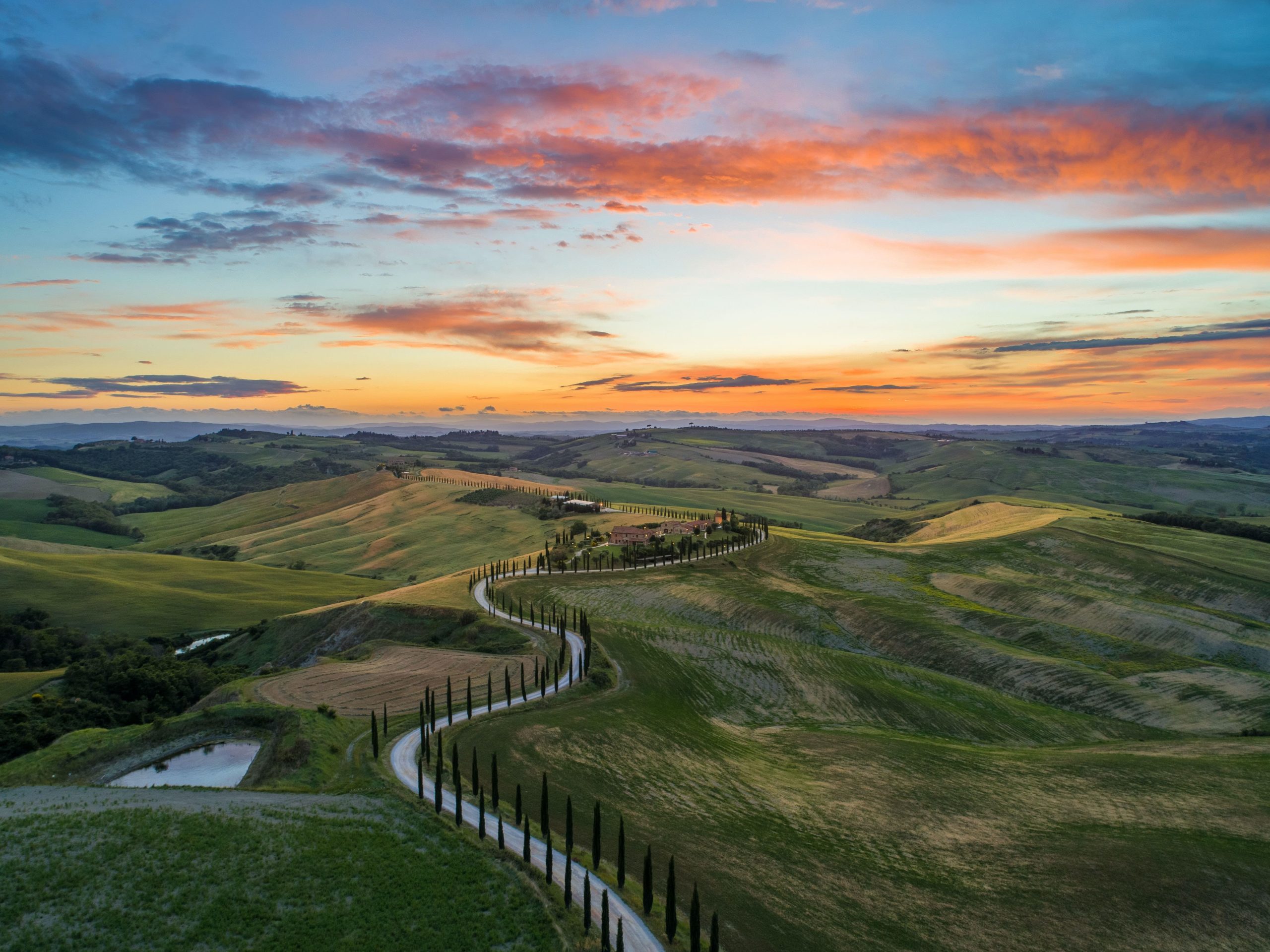
If you picture the iconic image of Italian elegance and that unmistakable joy of life, you’ll surely see rolling hills, terracotta-roofed houses, sunflower fields, sunshine, and long stretches of vineyards.
And of course, small towns with winding streets where the Middle Ages are still alive and breathing today. In short, Tuscany offers exactly this kind of experience—but this region is far more than just a place on the map.
Tuscany is the heartbeat of Italy, where history, art, nature, and gastronomy intertwine—vividly, vibrantly, and with great passion. Let us introduce you to Tuscany’s hidden treasures!
History: From Etruscan heritage to the heart of the Renaissance
The history of Tuscany is as rich as its wines. The region itself is ancient: the Etruscans founded cities here long ago, and not only artifacts but entire towns have survived, such as Volterra and Cortona. Later, the Romans ruled this land, and during the Middle Ages, smaller and larger city-states competed for influence; Florence, Siena, and Pisa rivaled one another for power, trade, and artistic dominance over the centuries.
The Tuscan Renaissance—Italy’s cultural explosion—also began here. Names such as Dante Alighieri, Leonardo da Vinci, Michelangelo, and Sandro Botticelli are all closely linked to Florence and the region itself. Walking these streets, you can almost feel history breathing—the paintings and sculptures are still very much a part of everyday life.
“Undulato,” or the undulating past
Tuscany is not only fascinating because of its monumental history—the legacy of the Middle Ages and the Renaissance is woven into everyday life as well. In the villages, centuries-old festivals are still celebrated, and the Palio di Siena, held in the center of Piazza del Campo, brings the adventures of past centuries back to life. Unlike many tourist attractions staged as folk events, these are real, living traditions. For lovers of Italian culture, they are truly bucket-list experiences.
Rolling hills, sea, and artistic landscapes
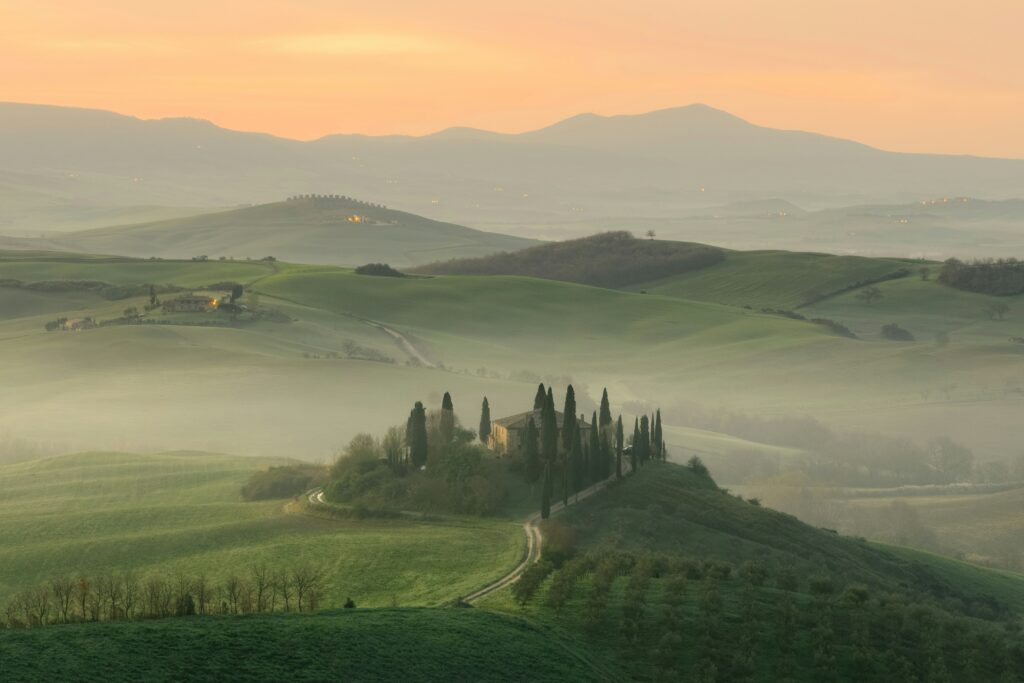
The geography of Tuscany is just as diverse as its history. In the north, the Apennine Mountains guard the region’s borders, while in the south, the rolling slopes of Val d'Orcia flow into one another. The entire area is interwoven with fertile river valleys, forests, and olive groves—breathtaking landscapes that are a true delight for both the eyes and the soul.
The Ligurian Sea coastline (Versilia, Maremma) reveals another, lesser-known side of Tuscany: fishing villages, sandy beaches, and mysterious coves await those seeking adventure. The island of Elba—once the place of exile for Napoleon Bonaparte—is today a popular seaside paradise. Crystal-clear waters, wild landscapes, and true Mediterranean tranquility.
Cities and that timeless rural charm
This may be true of many Mediterranean villages, but especially of Tuscany: the region’s heart beats in its cities and small towns. Florence, with every building and narrow street, is a temple of art; Siena invites you in with its red-brick squares and famous cathedral; the Leaning Tower of Pisa—no need to say more—is world-famous, and anyone who has been there surely has a photo pretending to hold it up or lean against it. Then there’s Lucca with its long city walls, Arezzo and its antique market, the sky-reaching towers of San Gimignano, or the wine cellars of Montepulciano—each one a world of its own.
And then there are the quiet, timeless, rustic villages, where only a few clouds drift across the sky, crickets chirp beside the vineyards in the evening—truly—and a familiar warmth lingers between the walls of the houses.
Tourism: Experience, time travel, relaxation
Tuscany attracts millions of visitors each year. Culture-loving art enthusiasts find their place here just as much as nature lovers, sea seekers, or those exploring on two wheels. Each part of the region has its own unique atmosphere: while the museums of Florence are among the most outstanding in the world, areas like Val d'Orcia, Chianti, or Maremma win hearts at a slower, more relaxed pace.
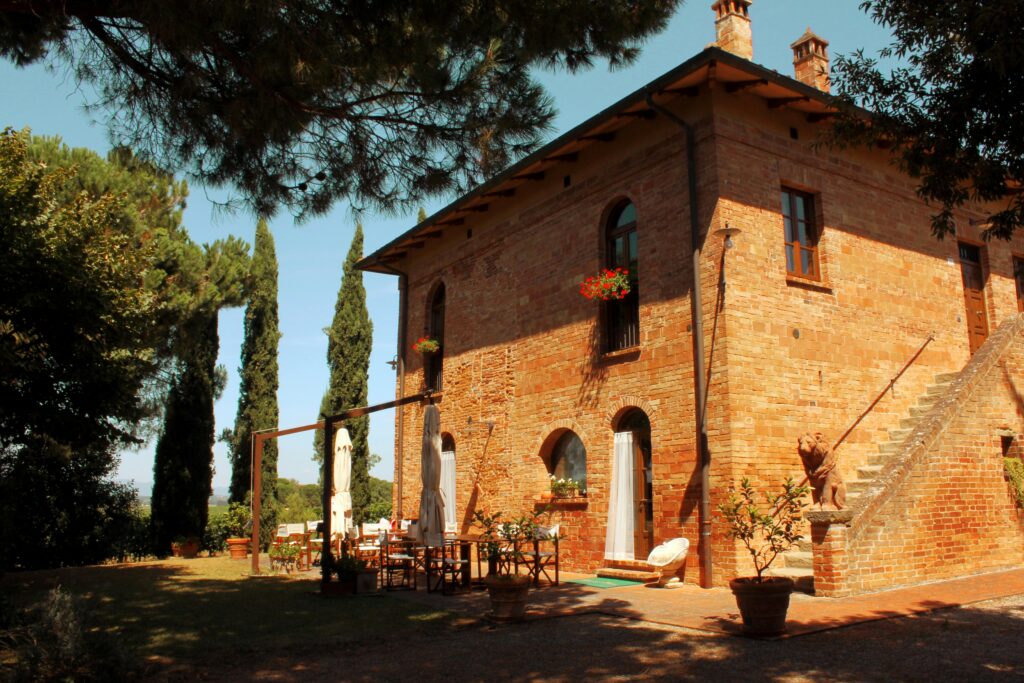
It’s a great idea to choose smaller countryside accommodations (agriturismos) or family-run guesthouses: here you can experience genuine Tuscan hospitality, and breakfast always comes with fresh brioche, homemade apricot jam, and real Italian coffee.
For those seeking a more active kind of relaxation, the region offers countless opportunities: cycling tours through rolling hills and valleys, horseback riding among olive trees, gastronomic tours, cooking classes, winery visits, and olive harvest experiences.
Gastronomic tourism
Tuscany is unmatched as a gastronomic region of Italy. Visitors don’t come only for its unique atmosphere or breathtaking sights, but also for its local specialties. Tasting regional wines, olive oil, cured meats, cheeses, and truly handmade fresh pasta is an essential part of the experience. A countryside restaurant or family-run trattoria can offer an experience comparable to visiting a museum or an open-air heritage site—rich in tradition, authenticity, and story.
Tuscan cuisine: The luxury of simplicity
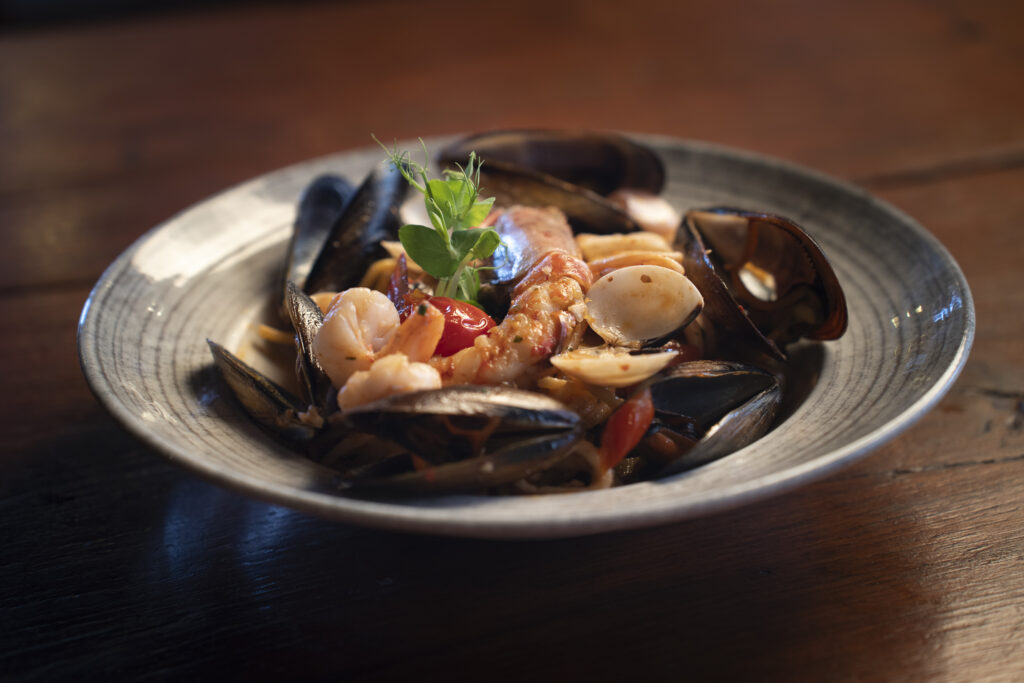
The secret of Tuscan cuisine lies in its fresh ingredients. Here, the land provides what matters most: olive oil, rustic bread, aged cheeses, tomatoes, homemade pasta, juicy fruits, and richly flavored wines. Although the dishes are free from any unnecessary embellishment, they are disarmingly honest—and undeniably delicious.
Some Tuscan classics you should try (at least once):
- Crostini di fegatini: Crispy slices of bread topped with chicken liver pâté, a perfect starter paired with a local wine.
- Pappa al pomodoro: A tomato and basil bread soup—simple, comforting, and full of flavor.
- Ribollita: A hearty vegetable soup thickened with bread—slowly cooked over days, with each serving slightly different depending on how much of the past it carries within.
- Pici all'aglione: Thick, homemade pasta with a bold, garlicky tomato sauce—the true comfort food of the Siena region.
- Tagliata di manzo: Thinly sliced grilled beef with coarse sea salt, served on a bed of arugula—Tuscany’s take on steak, always with elegance!
- Cantucci e Vin Santo: Crunchy almond biscuits dipped into a sweet dessert wine—the perfect ending.
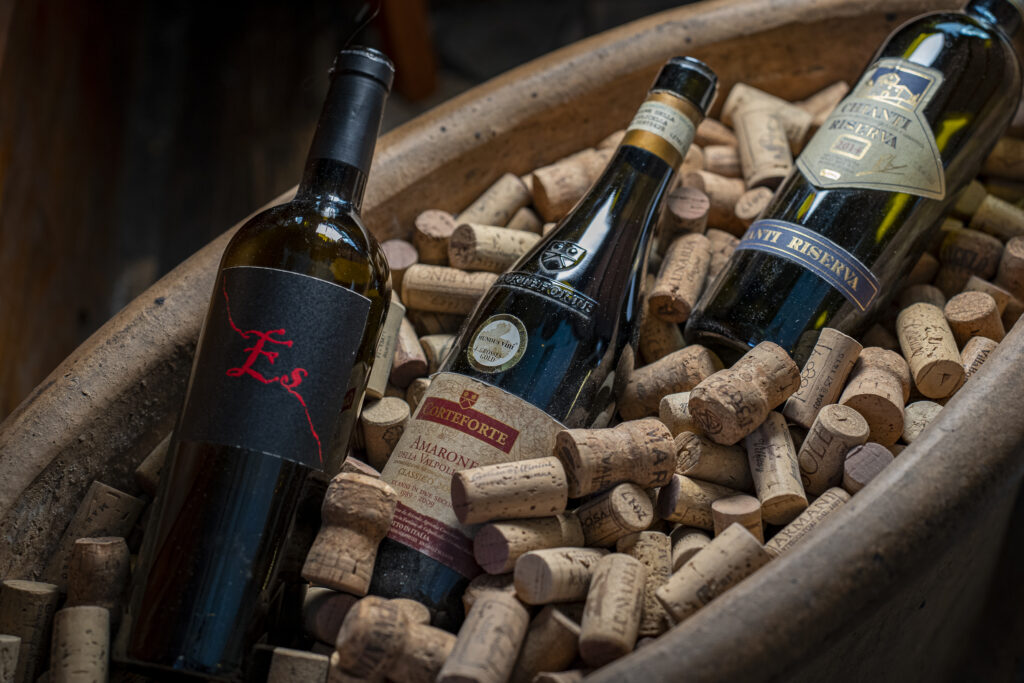
And of course, let’s not forget Chianti and Brunello di Montalcino wines! These are among the finest treasures of Tuscany’s vineyards, earning worldwide fame for the region.
Tuscany and the timeless influence of the arts
There are few places in the world where art seems to breathe from the stones—and even from the air itself. Tuscany is one of them: not only through its museums, churches, and galleries, but also in its everyday spaces, all infused with what we have revered as beauty since the Renaissance. Just think of figures like Leonardo da Vinci, Michelangelo, or Galileo Galilei, who were all born and created here. Even today, countless young talents come to draw inspiration from the elevated simplicity of Tuscan landscapes and towns. A walk through Florence or smaller artistic villages such as Pienza or Monticchiello, or simply contemplating a painting or sculpture, offers a deeper, more personal experience—one that connects you at once with history, the Italian zest for life, and yourself. Tuscany remains a land of creativity and inspiration, where art—like a perfectly prepared pasta dish—adds something meaningful to all of our lives.
Events, festivals, and living traditions
In Tuscany, time seems like a cycle—an endless circle of festivals, seasons, and rituals. The villages and towns here host countless events throughout the year: music festivals, medieval parades, and gastronomic celebrations that capture the hearts of both locals and visitors. The most famous of these is the Palio di Siena, where the districts of Siena have been competing in a horse race for centuries, preserving their historic rivalries. But wine festivals, olive oil pressing days, and folk art fairs are just as special. On these days, Tuscany engages all your senses in celebration: aromas, sounds, flavors, and sights fill the colorful bustle of the small squares. At such a festival, you’re not just a spectator—you become a true part of Italian hospitality, from the kitchen to the dance floor, from the cellar to the streets.
Tuscany’s secret: a personal atmosphere, an eternal return
Tuscany’s magic lies in the fact that everyone finds something here that truly feels their own: a hidden village, a hillside wrapped in sunset, a perfect dish in a local trattoria, a painting on the wall of a gallery in Florence that they will never forget. For centuries, it has attracted artists, architects, writers, and anyone even slightly sensitive to beauty.
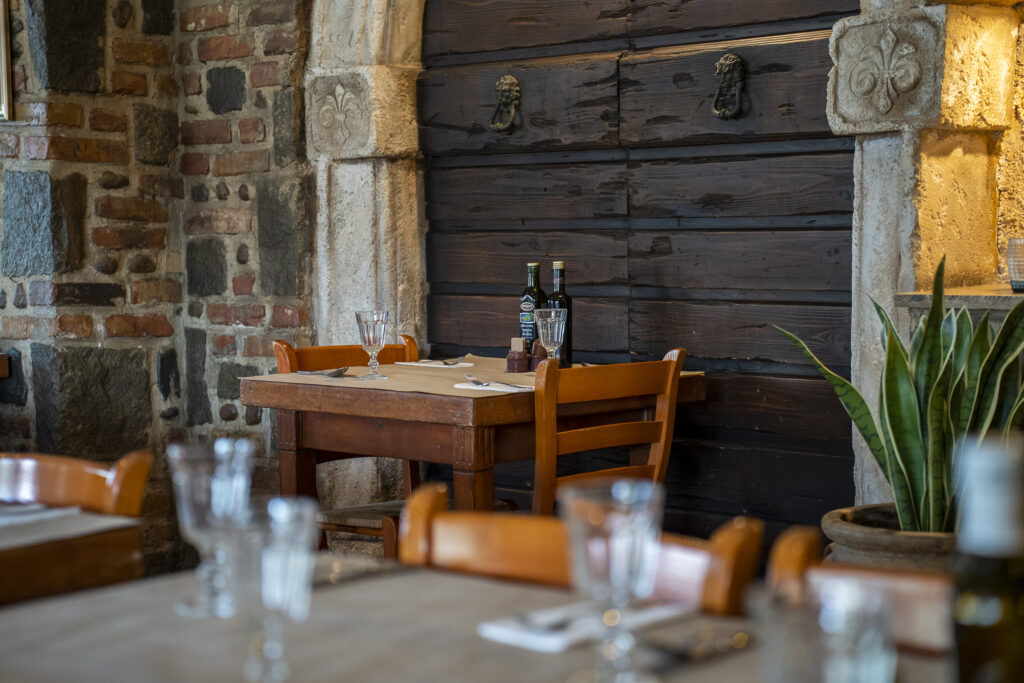
If you step into a Tuscan restaurant in Budapest, for example Trattoria Toscana, a piece of Tuscany will meet you at your table: its historical past, the treasures of the land, celebrating families, the tangy aroma of wine, and freshly baked bread—everything will be there with you. We offer you a small journey through time to the heart of Italy.
And why Tuscany in particular?
Perhaps because everything here is simple, yet perfectly refined. Perhaps because these flavors—the deep ruby Chianti, homemade bread, fragrant wild boar ragù—are exactly as they should be. Or perhaps simply because everyone wants to become a little more “Tuscan.” If not at any other time, then at least at dinner.
Next time you think of Italy or Tuscany, recall this feeling. Sometimes a single phrase is enough: Buon appetito!

